

As drivers fill their tanks, they often wonder why gas prices seem to rise unpredictably. Understanding the factors behind these fluctuations is crucial for consumers and businesses alike. From geopolitical tensions to seasonal demand, various elements contribute to the ever-changing cost of fuel.
In recent years, events like natural disasters and shifts in oil production have caused significant spikes at the pump. Additionally, global economic trends and local refinery issues can create a ripple effect, impacting prices in ways many might not anticipate. By exploring these dynamics, one can gain a clearer picture of why gas prices are on the rise and what to expect in the future.
Understanding Gas Prices
Gas prices fluctuate due to a complex interplay of various factors. Understanding these influences provides clarity on why consumers experience changes at the pump.
What Determines Gas Prices?
Gas prices are influenced by multiple key elements including crude oil prices, refining costs, distribution expenses, and taxes.
- Crude Oil Prices: A significant factor, crude oil prices account for approximately 50-70% of the total gas price. Price changes arise from supply and demand dynamics in global markets.
- Refining Costs: The cost of refining crude oil into gasoline affects the overall price. Refinery outages or maintenance can lead to increased prices due to reduced supply.
- Distribution and Marketing Costs: Transportation and marketing costs impact gas prices. Factors such as transportation distance and storage expenses play a role in final pricing.
- Taxes: Federal and state taxes contribute to the gas price. These taxes vary by location, adding to the price consumers see at the pump.
The Role of Supply and Demand
Supply and demand heavily dictate gas prices. A rise in demand or a drop in supply typically leads to increased prices.
- Seasonal Demand: Gasoline demand peaks during summer months, driven by increased travel. This seasonal spike can result in higher prices.
- Geopolitical Events: Tensions or conflicts affecting oil-producing regions can disrupt supply chains, causing prices to rise due to perceived scarcity.
- Natural Disasters: Events like hurricanes can damage refineries or disrupt transportation routes, leading to supply shortages and increased prices.
- Economic Growth: Economic expansion often results in higher fuel consumption, driving demand and subsequently increasing prices.
Gas prices reflect an intricate balance of these factors, making them susceptible to sharp fluctuations.
Factors Contributing to Rising Prices
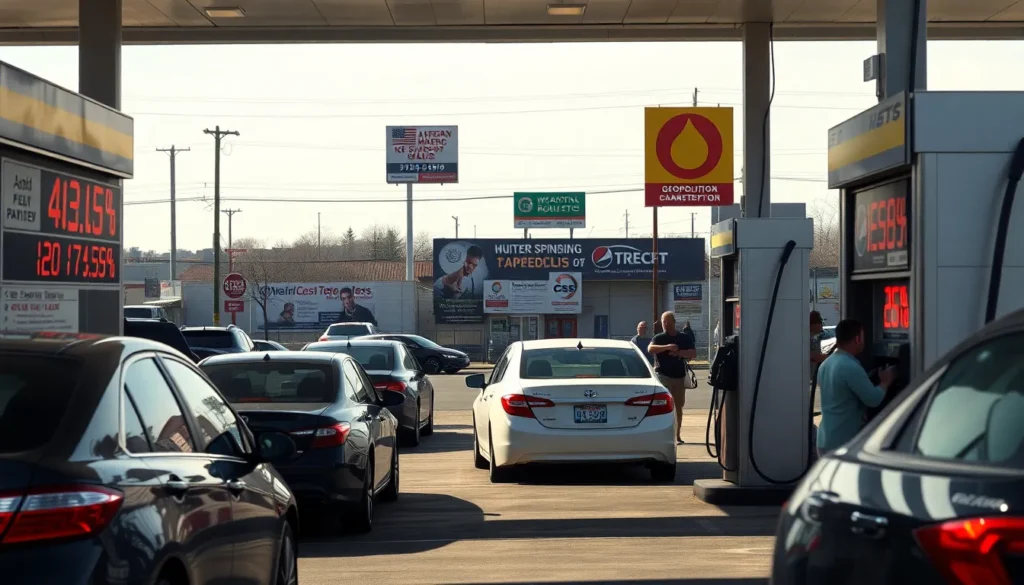
Gas prices rise due to a combination of influences that affect both supply and demand. Understanding these factors provides insights into the fluctuations consumers face at the pump.
Global Oil Prices
Crude oil prices significantly influence gas prices, accounting for over 50% of the cost. These prices fluctuate based on global supply and demand dynamics. For instance, when production cuts occur from major oil-producing countries like OPEC, crude prices often increase. Additionally, a decline in reserves or geopolitical instability in oil-rich regions can drive prices higher. Analysts closely monitor the global oil market to predict trends affecting gas prices.
Natural Disasters and Supply Disruptions
Natural disasters, such as hurricanes and earthquakes, can severely disrupt oil supply chains. Damage to refineries, pipelines, and transportation infrastructure can lead to fuel shortages in affected regions. For example, Hurricane Katrina in 2005 caused significant disruptions, contributing to a spike in gas prices. These supply disruptions often result in immediate price increases at gas stations, reflecting the diminished availability of fuel.
Geopolitical Tensions
Geopolitical tensions play a critical role in rising gas prices. Conflicts in key oil-producing regions can lead to uncertainty in the global oil market. Events such as sanctions against countries like Iran or military conflicts affecting oil transit routes can restrict supply, causing prices to soar. Market reactions often reflect fears of potential shortages, leading to elevated costs at the pump even before tangible supply impacts occur.
Economic Impacts
Rising gas prices significantly affect both consumers and businesses. Understanding these economic impacts is crucial for navigating personal finances and operational costs.
Effects on Consumers
Increases in gas prices directly influence consumer spending behavior. Higher fuel costs reduce disposable income, as individuals allocate more towards transportation expenses. For example, when gas prices rise by $0.50 per gallon, a typical driver may spend an additional $20 to $30 monthly on fuel. This additional expenditure constrains budgets, leading consumers to cut back on other essentials, including groceries and entertainment.
Inflation also compounds the effects of rising gas prices. Increased transportation costs affect the prices of goods and services due to higher delivery expenses. As a result, consumers face the dual challenge of paying more for gas and experiencing overall price increases in commodities.
Impact on Businesses
Businesses encounter a range of challenges due to rising gas prices. Transportation industries, including logistics and delivery services, are particularly vulnerable. Increased fuel costs lead to higher operational expenses, compelling companies to adjust pricing structures. If a delivery company sees fuel expenses increase by 10%, it may raise service rates to maintain profit margins.
Moreover, companies in various sectors may face supply chain disruptions. Higher gas prices can lead to increased freight costs, ultimately impacting the market price of goods. Additionally, small businesses with limited resources often struggle to absorb these costs, potentially leading to reduced profitability or even layoffs.
Overall, analogously to consumers, businesses must adapt to the economic landscape shaped by fluctuating gas prices.
Future Projections
Future gas prices depend on several variables including geopolitical events, production levels, and market demand trends. Understanding these factors can provide insights into potential price fluctuations ahead.
Predictions for Gas Prices
Predictions for gas prices indicate possible increases in the coming months. Analysts expect crude oil prices to rise due to anticipated production cuts from major oil producers and ongoing geopolitical tensions. Seasonal demand, especially during summer and holiday travel, typically pushes prices higher. According to the U.S. Energy Information Administration (EIA), prices could rise by 10-15% during peak travel seasons. Supply chain disruptions, particularly from natural disasters, may also lead to abrupt price hikes at the pump. Historical data shows that such events can cause immediate increases of 20-30 cents per gallon.
Alternatives to Gasoline
Alternatives to gasoline are gaining traction as consumers seek cost-effective and eco-friendly options. Electric vehicles (EVs) represent a prominent choice, with sales increasing significantly in recent years; in 2022, EV sales surged by 75%, indicating a growing shift in consumer preferences. Additionally, biofuels and hydrogen fuel cells are emerging as viable alternatives, contributing to market diversity. Investments in public transportation further enhance accessibility, reducing reliance on personal vehicles. According to a report from the International Energy Agency (IEA), a substantial increase in alternative fuel adoption could alleviate pressure on gas prices, potentially stabilizing or even reducing future costs.
Gas prices are influenced by a complex interplay of factors that can change rapidly. As geopolitical tensions rise and seasonal demand peaks, consumers and businesses alike feel the impact on their budgets. The ongoing shifts in global oil production and local refining capabilities further complicate the landscape, making it essential for everyone to stay informed.
Looking ahead, the potential for rising prices remains, driven by anticipated production cuts and fluctuating demand. However, the growing interest in alternative fuels and electric vehicles offers hope for a more stable future. As society adapts to these changes, understanding the dynamics of gas prices will be crucial for making informed decisions.