Luxury two-bedroom apartments have evolved far beyond granite countertops and stainless appliances. Today’s high-end units blend smart home integration, premium finishes, and amenity-rich communities with thoughtful layouts that maximize livable square footage. Whether you’re downsizing from a single-family home, relocating for work, or seeking turnkey living without yard maintenance, understanding what separates true luxury from builder-grade marketing claims will save you time and money. This guide breaks down the specifications, upgrades, and neighborhood factors that define upscale apartment living in 2026, plus practical DIY improvements you can tackle without violating lease terms.
Table of Contents
ToggleKey Takeaways
- Luxury 2 bedroom apartments are defined by layout efficiency (950–1,400 sq ft), 9–12 foot ceilings, hardwood flooring, quartz countertops, and solid-core doors rather than premium materials alone.
- Premium amenities like resort-style pools, 24-hour package lockers, dog washing stations, and EV charging stations justify higher rents only when well-maintained and actively accessible.
- Smart home features including keyless entry, pre-installed smart thermostats, gigabit fiber connectivity, and water leak detectors are now standard in genuinely upscale units.
- Location matters as much as finishes—prioritize walkable neighborhoods with grocery stores within 10 minutes, proximity to employment centers, and verified low noise levels during rush hours.
- Rental costs for luxury 2 bedroom apartments range from $2,500–$4,500 in secondary cities to $7,500+ in major markets, with hidden costs like parking ($150–$400/month) and utility expenses requiring careful budgeting.
- Removable upgrades like peel-and-stick wallpaper, cabinet hardware swaps, pendant lighting, and tension rod curtains personalize your space without violating lease terms or losing your security deposit.
What Defines a Luxury 2 Bedroom Apartment?
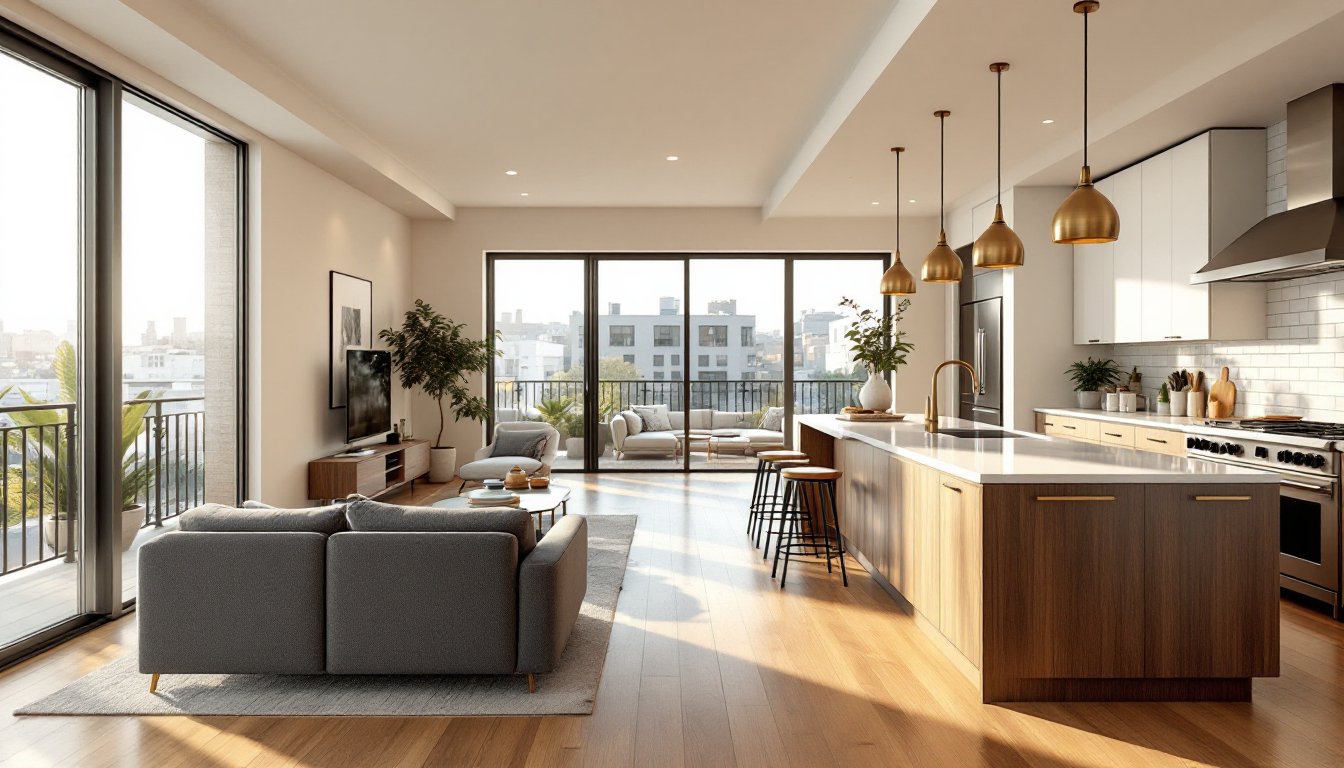
Square footage matters, but layout efficiency matters more. Most luxury two-bedroom units range from 950 to 1,400 square feet, with open-concept living areas that avoid wasted hallway space. Look for 9- to 12-foot ceilings in main living areas, anything below 9 feet reads as standard construction, regardless of finish materials.
True luxury units feature hardwood or engineered wood flooring in living spaces, not laminate. In kitchens, expect quartz or natural stone countertops with a minimum 1¼-inch thickness, full-height tile backsplashes, and soft-close cabinet hardware. Bathrooms should include porcelain or ceramic tile (not vinyl plank), frameless glass shower enclosures, and dual vanities in the primary suite.
Buildout quality separates luxury from standard. Check for solid-core interior doors (not hollow), which dampen sound and feel substantial. Window treatments, roller shades or honeycomb blinds, should be included, not an afterthought. Central HVAC with individual thermostats per bedroom is standard in genuinely upscale units, preventing the common complaint of uneven heating and cooling.
Luxury properties often offer coastal living experiences that combine high-end finishes with resort-style amenities and prime locations.
Premium Amenities That Set Luxury Apartments Apart
Amenity packages justify premium rents, but only if they’re maintained and accessible. Fitness centers should include free weights, cable machines, and cardio equipment, not just a treadmill in a converted storage room. Look for facilities with dedicated yoga studios or group fitness space, ideally 800+ square feet.
Outdoor amenities separate mediocre from exceptional. Expect resort-style pools with heating systems for year-round use, built-in grills in outdoor kitchens (not portable propane units), and fire pits with fixed seating. Pet amenities, dog washing stations with commercial-grade fixtures and fenced dog parks, are non-negotiable if you own pets.
Package receiving has evolved beyond lobby shelves. Luxury properties offer 24-hour package lockers with app notifications and climate-controlled storage for groceries or meal kits. Concierge services should handle dry cleaning coordination, maintenance requests, and guest parking passes, not just sit behind a desk.
Parking is a hidden cost factor. Luxury buildings include at minimum one covered or underground parking space per unit, with EV charging stations becoming standard. Guest parking should be plentiful, not a scavenger hunt. Storage units (typically 50 to 100 square feet) should be climate-controlled if you’re storing anything beyond seasonal decor.
Smart Home Features and Technology Integration
Smart home tech in 2026 goes beyond a programmable thermostat. Luxury units include keyless entry with smartphone access, allowing temporary codes for guests or service providers without physical key exchange. Smart thermostats (Nest, Ecobee, or similar) should be pre-installed and integrated with building management systems.
Look for USB outlets in kitchens and bedrooms, at least one per room. High-speed internet infrastructure matters: gigabit fiber connectivity should be standard, not an upgrade. Some properties include smart lighting systems with voice control, though this is easier to add yourself than to remove if poorly implemented.
Video doorbells or intercoms with smartphone integration let you screen visitors remotely. Water leak detectors near washing machines, water heaters, and under sinks prevent the catastrophic damage that comes from unnoticed leaks. Buildings with upscale community features often integrate these systems seamlessly.
Design Elements That Elevate Your Space
Kitchen functionality determines daily livability. Luxury kitchens feature 36-inch professional-style ranges or cooktops with a minimum of five burners, range hoods with 400+ CFM ventilation, and panel-ready appliances that blend with cabinetry. Island countertops should provide 36 to 42 inches of clear workspace, anything less creates bottlenecks during meal prep.
Cabinet construction reveals builder quality. Dovetail or mortise-and-tenon joinery in drawers outlasts stapled particle board. Soft-close drawer glides should be full-extension, allowing access to the entire drawer. Pull-out shelves in base cabinets aren’t optional, they’re essential for accessing items without crawling on the floor.
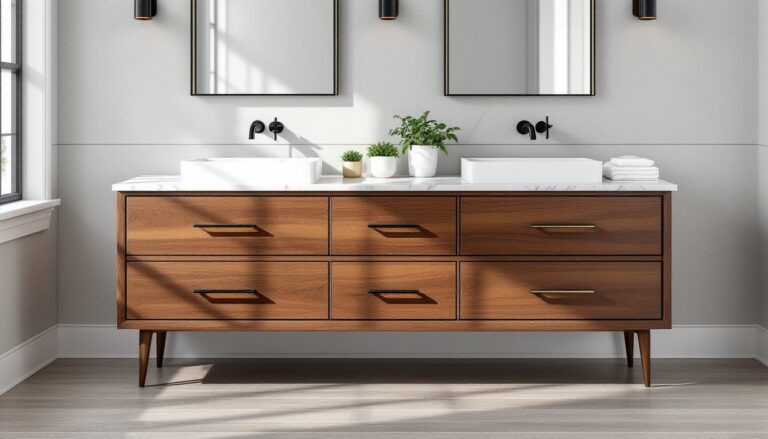
Bathroom design in luxury units includes ceiling-height tile in showers (not the 6-foot wainscot common in builder-grade units), recessed medicine cabinets, and exhaust fans rated for the room size (typically 50 to 110 CFM). Heated floors in primary bathrooms are becoming standard in cold-weather markets.
Lighting design separates amateur from professional buildouts. Expect recessed LED cans on dimmer switches in living areas, under-cabinet lighting in kitchens, and sconce lighting flanking bathroom mirrors, not single overhead fixtures. Window orientation affects natural light: south-facing units get the most sun in Northern Hemisphere locations, while north-facing units offer softer, consistent light.
Design inspiration from professional luxury apartment interiors can help you visualize high-end finishes and layouts before touring properties.
Location and Neighborhood Considerations for Luxury Living
Walk scores and transit access matter more than marketing brochures admit. A true luxury location puts grocery stores, pharmacies, and restaurants within a 10-minute walk. If you’re car-dependent for daily errands, you’re not in a walkable neighborhood regardless of the building’s finishes.
Proximity to employment centers affects both commute time and resale value. Units within two miles of major business districts or tech campuses command premiums, but also hold value better during market downturns. Check actual commute times during rush hour, not Google’s optimistic off-peak estimates.
School districts matter even if you don’t have kids, they affect property values and neighborhood stability. High-performing districts attract families who invest in community upkeep. Noise pollution from highways, airports, or rail lines isn’t always obvious during daytime tours. Visit at night or during rush hour to assess actual noise levels.
Neighborhood safety data is public. Check local police department statistics for property crime and violent crime trends, not just overall numbers. Well-lit streets, maintained sidewalks, and active street life indicate community investment. Properties in established luxury communities often benefit from neighborhood stability and mature landscaping.
Future development affects your investment. Research zoning applications and planned construction within a half-mile radius. A future high-rise can block views and sunlight, while new retail can add convenience.
Cost Breakdown: What to Expect When Renting or Buying
Rental rates for luxury two-bedroom apartments vary dramatically by market. Expect $2,500 to $4,500 monthly in secondary cities, $4,500 to $7,500 in major metros, and $7,500+ in high-cost markets like Manhattan or San Francisco. These figures reflect 2026 market conditions with regional variation.
Beyond base rent, factor in parking fees ($150 to $400 monthly), pet rent ($50 to $100 per pet), and utility costs. Luxury buildings with individual metering for water typically run $80 to $150 monthly for two occupants. Electricity costs depend on square footage and climate: budget $120 to $200 monthly for a 1,200-square-foot unit with energy-efficient appliances.
Renter’s insurance is non-negotiable, running $15 to $30 monthly for $50,000 in personal property coverage and $100,000 liability. Some landlords require specific coverage limits as a lease condition.
Purchasing a luxury condo involves different math. Down payments typically require 20% to avoid PMI, with closing costs adding 2% to 5% of purchase price. HOA fees for luxury buildings range from $400 to $1,200+ monthly, covering amenities, building maintenance, and reserves. Review HOA financials carefully, underfunded reserves signal future special assessments.
Property taxes vary by jurisdiction but expect 1% to 2.5% of assessed value annually. Some municipalities offer homestead exemptions that reduce taxable value by $25,000 to $50,000. Communities like those featured in reviews of luxury apartment living can provide real-world insights into actual costs beyond advertised rates.
How to Personalize Your Luxury Apartment with DIY Upgrades
Most luxury apartment leases restrict permanent alterations, but removable upgrades can personalize your space without forfeiting your security deposit. Peel-and-stick wallpaper has evolved beyond dorm-room quality, today’s options include textured grasscloth and metallic finishes that install in hours. Test a small section first: some painted surfaces release paint when adhesive is removed.
Cabinet hardware replacement transforms kitchens and bathrooms for under $200. Swap builder-grade pulls for brushed brass, matte black, or leather-wrapped options. Keep original hardware in a labeled bag for reinstallation before move-out. Use a template or measure carefully, misaligned holes require patching.
Lighting upgrades deliver significant visual impact. Replace standard light fixtures with statement pieces, pendant lights over islands, arc floor lamps in living areas, and plug-in sconces (no hardwiring required). Use LED bulbs with 2700K to 3000K color temperature for warm, residential feel: anything above 3500K reads as clinical.
Removable backsplash tiles install over existing surfaces using peel-and-stick adhesive. Smart Tiles and similar products mimic subway tile, mosaic, or stone patterns. Ensure the existing surface is clean and grease-free for proper adhesion. These work well in rentals where the existing backsplash is dated but functional.
Window treatments add privacy and acoustic dampening. Tension rods allow curtain installation without drilling into window frames. Layer sheer panels with blackout curtains for light control. Ensure rods are rated for fabric weight, standard tension rods support up to 20 pounds.
Closet organization systems maximize storage without permanent installation. Freestanding wardrobe units, over-the-door organizers, and stackable drawer systems adapt to odd-shaped closets common in apartment layouts. Measure closet dimensions carefully, many standard systems assume 24-inch depth, but luxury apartments often feature shallower reach-in closets.
For those considering properties with standout features, developments like Stonebridge luxury communities and Vasari luxury residences showcase how professional design choices influence personalization opportunities. Resources like moving checklists and planning tools can streamline your transition into a newly personalized luxury space.