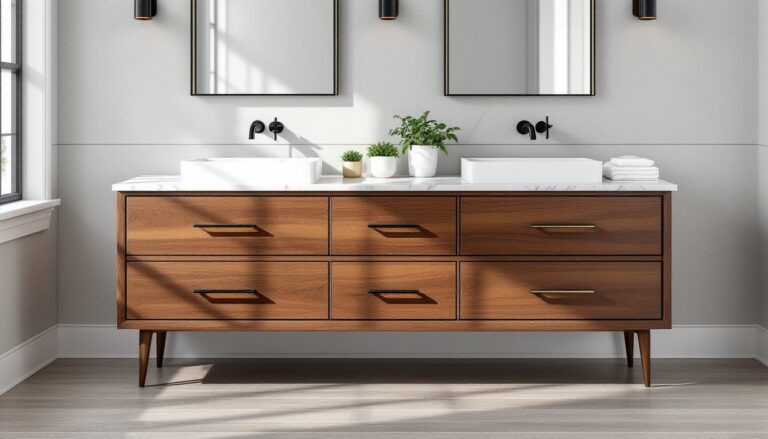

Luxury bathroom fixtures aren’t just about aesthetics, they’re investments in durability, water efficiency, and resale value. The right brand combines engineering precision with timeless design, whether you’re gutting a master bath or upgrading a powder room. In 2026, the market spans European heritage brands with century-old legacies, Japanese innovators pushing smart-toilet boundaries, and American artisans handcrafting statement pieces. This guide breaks down the ten brands delivering pro-grade performance and showroom-worthy looks, with context on what makes each worth the premium and where they fit in real-world renovations.
Table of Contents
ToggleKey Takeaways
- Top luxury bathroom brands like Toto, Kohler, and Duravit distinguish themselves through solid brass construction, ceramic disc valves rated for 500,000+ cycles, and warranty coverage that spans decades of reliable performance.
- European heritage brands (Villeroy & Boch, Hansgrohe) and Japanese innovators (Toto) excel in specific categories: water efficiency, smart-toilet technology, or space-saving wall-mounted systems that justify premium pricing.
- Smart toilets and bidet technology lead performance gains, with Toto’s Washlet and Neorest units offering electrolyzed self-cleaning bowls and motion-activated controls that add $4,000–$10,000 to renovation budgets.
- Freestanding luxury tubs from Victoria + Albert and Waterworks retain heat better and resist staining compared to acrylic alternatives, with 25-year warranties and refinishing options that extend lifespan to 20+ years.
- Professional installation, local service networks, and permit planning are critical investments; allocate 30–40% of luxury fixture costs for skilled labor to avoid warranty voids and water damage risks.
- Match finishes carefully across brands before ordering, as proprietary names differ significantly between manufacturers and coordinating metals requires physical samples tested under actual bathroom lighting.
What Defines a Luxury Bathroom Brand?
Premium bathroom brands distinguish themselves through material quality, manufacturing precision, and warranty coverage that outlasts builder-grade fixtures by decades. Luxury manufacturers typically use solid brass valve bodies instead of plastic cartridges, vitreous china with scratch-resistant glazes (not acrylic), and hand-polished finishes that won’t flake after three years of steam exposure.
Engineering matters as much as looks. High-end faucets feature ceramic disc valves rated for 500,000+ cycles, while budget models use compression valves that drip within 50,000 cycles. Toilets in this tier often incorporate dual-flush mechanisms, skirted trapways for easier cleaning, and WaterSense certification (1.28 gallons per flush or less) without sacrificing performance.
Design longevity separates trends from investments. Luxury brands avoid chasing fads, their collections stay in production for 15–20 years, ensuring you can match fixtures during phased renovations. Many offer custom finishes (unlacquered brass, matte black PVD, or hand-applied patinas) and modular systems where spouts, handles, and diverters can be mixed across product lines.
Customer support defines the ownership experience. Expect lifetime warranties on mechanical components, replacement parts availability decades after purchase, and technical support that understands rough-in dimensions. Some brands maintain showrooms with working displays, essential for testing shower valve ergonomics or soaking tub depth before committing five figures.
The 10 Most Prestigious Luxury Bathroom Brands
European Excellence: Kohler, Duravit, and Villeroy & Boch
Kohler (founded 1873, Wisconsin-based but globally recognized) dominates North American luxury renovations with collections spanning $300 faucets to $15,000 cast-iron soaking tubs. Their Artifacts and Purist lines deliver architect-friendly minimalism, while Kallista (their ultra-luxury subsidiary, covered separately below) targets the no-budget crowd. Kohler’s smart toilet lineup, Veil, Numi, integrates heated seats, bidet functionality, and app controls, though reliability lags behind Toto. Plumbers appreciate their proprietary valve trims that retrofit onto existing rough-ins, saving tear-out costs during remodels.
Duravit (German, est. 1817) excels in wall-mounted toilets and floating vanities that simplify floor cleaning and create visual space in tight bathrooms. Their partnership with designer Philippe Starck produced the SensoWash series, wall-hung units with integrated bidet wands and rimless flushing that actually works (unlike many European imports that clog on U.S. drain systems). Duravit uses TitanCeram, a reinforced ceramic that allows thinner profiles without cracking. Expect $1,200–$3,000 per toilet before installation, plus $800–$1,500 for the in-wall carrier system.
Villeroy & Boch (German/French, 1748) brings old-world craftsmanship to modern formats. Their CeramicPlus glaze resists limescale and makes scrubbing optional, a real advantage in hard-water regions. The Finion and Antheus vanity collections feature soft-close drawers with dovetail joinery and LED ambient lighting, priced $3,000–$8,000 depending on size and wood species. V&B sinks often use overflow channels hidden in the basin geometry, keeping clean lines without sacrificing code compliance.
Innovative Design Leaders: Toto, Hansgrohe, and Grohe
Toto (Japanese, 1917) wrote the book on water efficiency and hygiene technology. Their Washlet bidet seats are proven and refined, S7A and G600 models offer adjustable water pressure, warm-air drying, and UV self-cleaning wands. Toto’s Tornado Flush system uses side jets instead of rim holes, reducing cleaning time and water use (1.0 or 0.8 GPF options). The Neorest integrated toilet-bidet units ($4,000–$10,000) include motion-activated lids and electrolyzed water that sanitizes the bowl after each use. Plumbers note that Toto’s flush valves and fill valves are globally standardized, making repairs straightforward even a decade post-install.
Hansgrohe (German, 1901) dominates the shower fixture space with AirPower technology that injects air into water streams for fuller coverage at lower flow rates. Their Axor brand (design-forward sub-label) collaborates with architects like Antonio Citterio and Phoenix Design, resulting in fixtures that double as sculpture. The Raindance overhead showers range from 10-inch rounds to 24-inch square panels, with QuickClean silicone nozzles that shed mineral buildup with a thumb swipe. Hansgrohe’s Select valves use push-button controls instead of levers, divisive among traditionalists but easier for arthritic hands.
Grohe (German, 1936, now owned by Lixil) balances innovation and accessibility. Their SilkMove cartridges provide tactile feedback missing in lesser faucets, you feel detents at temperature sweet spots. Grohe Blue kitchen faucets (relevant for wet bars in master suites) offer filtered, chilled, and carbonated water on demand. Bathroom-specific wins include the SmartControl shower system, which uses dials to switch between rain head, body sprays, and handshower without the confusing three-handle ballet. Finishes like Brushed Hard Graphite and Warm Sunset resist fingerprints better than polished chrome. Design enthusiasts often turn to high-end interior design sources for inspiration on coordinating these finishes with broader bathroom aesthetics.
Ultimate Opulence: Waterworks, Kallista, Brizo, and Victoria + Albert
Waterworks (Connecticut, 1978) caters to clients who budget by the project, not the fixture. Their showrooms feel like galleries, Easton, Henry, and Ludlow collections feature hand-applied finishes (oil-rubbed bronze, polished nickel, custom patinas) that age gracefully. Waterworks tubs include cast iron with baked enamel (classic but heavy, verify floor joists can handle 500+ lbs filled) and copper soaking tubs that develop living patinas. Expect $8,000–$25,000 for a statement tub, $2,000–$5,000 for a widespread faucet set. Lead times run 12–16 weeks for custom finishes.
Kallista (Kohler’s luxury arm) pushes artistic boundaries with collections like One, an integrated sink-countertop in stainless steel or enameled cast iron. Their Vir Stil faucets (designed by Laura Kirar) use minimalist geometric forms, fewer crevices mean easier cleaning. Kallista’s Hampstead freestanding tubs ($12,000–$18,000) include integral overflow drains hidden in the tub’s silhouette. These fixtures demand experienced installers: rough-in tolerances are tight, and finish damage during installation voids warranties.
Brizo (Delta’s design-centric brand, launched 2004) delivers fashion-forward finishes at relatively accessible pricing ($500–$2,500 for faucets). Their Litze and Odin collections feature industrial-chic articulating joints and knurled handles milled from solid brass. Brizo’s SmartTouch technology (tap-on, tap-off activation) works better than competing touchless sensors in real-world use, no phantom activations when wiping counters. The brand’s H₂Okinetic shower heads use oscillating spray patterns to increase water coverage without raising flow rates, valuable in homes with low water pressure.
Victoria + Albert (UK, 1996) specializes in freestanding tubs molded from ENGLISHCAST, a composite of volcanic limestone and resin that retains heat 30% longer than acrylic and resists staining better than gel-coated fiberglass. Their Barcelona, York, and Pescadero models ($3,500–$7,000) arrive with 25-year warranties and can be refinished if scratched, unlike acrylic which yellows over time. V+A tubs weigh 150–250 lbs dry (half the weight of cast iron), simplifying second-story installations. Renovators incorporating quality bathroom tile often pair these tubs with complementary stone or porcelain surrounds.
How to Choose the Right Luxury Bathroom Brand for Your Renovation
Match brand strengths to your project’s priorities. For smart-toilet tech, Toto leads in reliability: Kohler offers more design variety but higher service call rates. For minimalist European aesthetics, Duravit and Hansgrohe coordinate seamlessly, their mount heights and rough-in specs align by design. For heirloom-quality tubs, Waterworks and Victoria + Albert justify premiums if you’re planning 20+ years of ownership.
Verify local service networks before committing. Luxury brands are worthless if replacement cartridges take eight weeks to ship. Check whether the manufacturer maintains authorized service centers within 50 miles, critical for warranty work on smart toilets or thermostatic valves. Online forums and local plumbing suppliers reveal which brands actually stock parts versus which require international backorders.
Coordinate finishes across all fixtures early. Manufacturers use proprietary names (Kohler’s Vibrant Brushed Nickel differs from Grohe’s Brushed Nickel), and “matching” finishes from different brands rarely do. Order physical samples, photos lie under bathroom lighting. If mixing brands, stick to unlacquered brass or matte black, which vary less between manufacturers than brushed or polished metals.
Budget for professional installation. Luxury fixtures often require thermostatic valve bodies with precise water pressure (45–80 PSI) and temperature balancing, plus in-wall carriers for wall-hung toilets that must align with floor joists. DIY installation voids most warranties and risks $10,000+ in water damage if supply lines fail. Allocate 30–40% of fixture costs for skilled labor, more if retrofitting old homes with outdated plumbing. Many renovators explore luxury home remodeling portfolios to understand installation complexities and budget realistic timelines.
Plan for permit requirements. Replacing a toilet or faucet rarely needs permits, but moving drain lines, installing in-wall carriers, or adding body sprays may trigger plumbing permit reviews (IRC codes vary by jurisdiction). Smart toilets with electrical connections must meet NEC requirements, often an outlet within 3 feet, GFCI-protected. Some HOAs restrict wall-mounted toilets due to in-wall carrier maintenance access concerns: verify before demolition.
Conclusion
Luxury bathroom brands justify their premiums through decades of reliable performance, design consistency, and support infrastructure that survives trend cycles. Whether prioritizing Toto’s hygiene technology, Waterworks’ artisan finishes, or Duravit’s space-saving engineering, the best choice aligns with your home’s architecture, maintenance preferences, and timeline. Invest in quality rough-ins and professional installation, the fixtures will outlast shortcuts by 20 years.