
A luxury master bathroom isn’t just a place to brush your teeth, it’s a personal retreat that combines high-end finishes, thoughtful design, and spa-like comfort. Whether you’re planning a full gut renovation or upgrading key features, understanding what separates a basic bathroom from a truly luxurious one makes all the difference. In 2026, homeowners are investing in spaces that prioritize wellness, smart technology, and materials built to last. This guide walks through the essential features, materials, and planning considerations that define a luxury master bathroom worth the investment.
Table of Contents
ToggleKey Takeaways
- A luxury master bathroom is defined by intentional design, premium materials, proper space planning (100–200+ sq ft), and customized features that prioritize both comfort and function.
- Essential features that elevate a luxury bathroom include a double vanity (60–84 inches wide), frameless walk-in shower (48 x 36 inches minimum), freestanding soaking tub, separate toilet compartment, heated flooring, and high-quality ventilation.
- High-end materials like quartzite or marble countertops ($60–$150 per sq ft), large-format porcelain tile, solid wood cabinetry, and PVD-finish fixtures create durability and timeless appeal in luxury master bathroom designs.
- Spa-inspired elements such as steam showers, chromotherapy lighting, towel warmers, and strategic tub placement near windows transform a bathroom into a personal wellness retreat.
- Smart technology including digital shower controls, motion-sensor lighting, smart mirrors with defoggers, and humidity-sensing ventilation provide seamless comfort and convenience without sacrificing aesthetics.
- Budget $30,000–$80,000+ for a high-end master bathroom renovation, prioritize splurging on plumbing fixtures, proper waterproofing, and skilled trades while saving on decorative accessories, and set aside 15–20% contingency for unexpected issues.
What Defines a Luxury Master Bathroom?
A luxury master bathroom goes beyond square footage. It’s defined by intentional design choices, premium materials, and features that prioritize comfort and function equally.
First, space planning matters. Luxury bathrooms typically range from 100 to 200+ square feet, allowing for separate zones: a vanity area, enclosed toilet compartment, spacious shower, and often a freestanding tub. Dedicated space for each function prevents the cramped feeling common in builder-grade layouts.
Second, material quality sets the tone. Natural stone countertops (marble, quartzite, or granite), porcelain or ceramic tile with large-format slabs, and solid wood or custom cabinetry all signal a step above standard finishes. These aren’t just aesthetic choices, they’re investments in durability and timeless appeal.
Third, luxury means customization. Built-in storage, heated floors, programmable lighting, and fixtures tailored to the homeowner’s height and preferences all contribute. Cookie-cutter layouts don’t cut it: every detail should feel considered.
Finally, lighting layers separate luxury from basic. Ambient lighting (recessed or chandelier), task lighting at mirrors, and accent lighting (LED strips under toe kicks or in niches) create depth and functionality that a single ceiling fixture can’t match.
Essential Features Every Luxury Master Bathroom Should Have
Certain features have become non-negotiable in high-end master bathrooms. These aren’t trendy add-ons, they’re foundational elements that define the space.
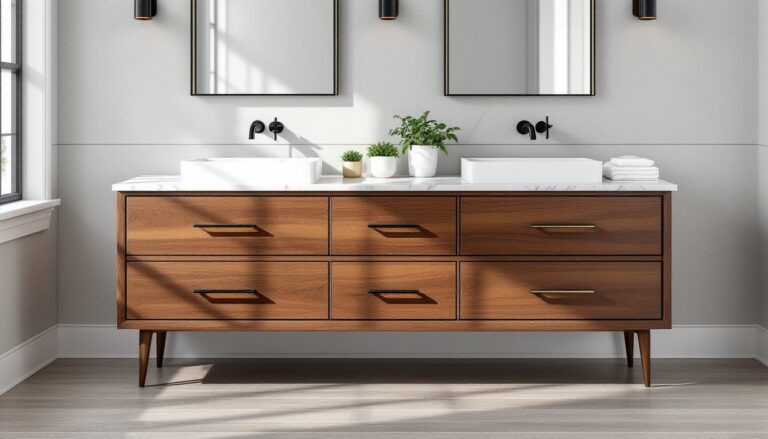
Double vanity with ample counter space. A minimum of 60 inches wide (72 to 84 inches is better) allows two people to use the space simultaneously without elbow contact. Opt for undermount sinks in natural stone or solid-surface counters, drop-in sinks look dated and collect grime around edges.
Walk-in shower with frameless glass enclosure. Minimum dimensions: 48 x 36 inches, but 60 x 48 inches or larger feels truly luxurious. Include a bench (teak or tiled), multiple showerheads or body sprays, and a handheld wand. Frameless glass (typically ⅜-inch or ½-inch tempered) keeps sight lines clean.
Freestanding soaking tub. Acrylic tubs are lightweight and retain heat well: cast iron wrapped in enamel is a classic but requires floor reinforcement (check your joist span tables if you’re on a second floor). Aim for a 60- to 70-gallon capacity for comfortable soaking.
Separate toilet compartment. Even a 30 x 60-inch enclosure with a pocket door adds privacy and keeps the toilet out of sight from the main bathroom.
High-quality ventilation. An exhaust fan rated for the room’s cubic footage (CFM = square footage x 1.1 for bathrooms) prevents mold and moisture damage. Look for Energy Star-rated models with humidity sensors.
Heated flooring. Electric radiant mats installed beneath tile (typically 12 watts per square foot) add comfort and can be controlled via programmable thermostat. This is worth doing during a renovation, retrofitting later means tearing up the floor.
High-End Materials and Finishes That Elevate Your Space
Material selection separates a luxury bathroom from a standard remodel. Choose finishes that combine aesthetics with long-term performance.
Countertops: Quartzite offers the veining of marble with better stain resistance. Marble (Carrara, Calacatta) remains a luxury staple but requires sealing every 6–12 months. Engineered quartz is low-maintenance but lacks the depth of natural stone. Expect to pay $60–$150 per square foot installed for high-end slabs.
Tile: Large-format porcelain (12 x 24 inches or larger) reduces grout lines and creates a seamless look. Rectified edges (precision-cut) allow for tight grout joints (⅛ inch or less). For shower walls, consider porcelain slab panels to minimize grout maintenance. Natural stone tile (travertine, limestone) adds warmth but needs sealing.
Cabinetry: Custom or semi-custom cabinets in solid wood (maple, walnut, cherry) with dovetail joinery and soft-close hardware are worth the investment. Avoid particleboard or MDF in damp environments, they swell and fail over time. Finishes should be catalyzed or conversion varnish for moisture resistance.
Fixtures and hardware: Solid brass or stainless steel fixtures (faucets, towel bars, drawer pulls) in consistent finishes (brushed nickel, matte black, polished chrome) tie the space together. PVD (physical vapor deposition) finishes resist tarnishing better than standard plating.
Flooring: Porcelain tile rated for wet areas (COF of 0.6 or higher) prevents slips. Heated tile is standard in luxury installs. Some homeowners opt for sealed natural stone or even wide-plank engineered hardwood in dry zones (near the vanity, away from the shower), though this requires careful moisture management.
Spa-Inspired Design Elements for Ultimate Relaxation
Spa design borrows from hospitality and wellness spaces, emphasizing calm, comfort, and sensory experience.
Steam shower. A fully enclosed shower (floor-to-ceiling tile with sloped ceiling or flat ceiling minimum 8 feet high) with a steam generator (sized to room volume, typically 7–10 kW for a standard shower) creates a home sauna. Requires a vapor barrier behind tile, sloped ceiling to prevent dripping, and a watertight door. Budget $2,500–$5,000 for the generator and installation.
Chromotherapy and aromatherapy. LED lighting systems with color-changing modes can be integrated into showers or tubs. Some luxury showerheads include built-in aromatherapy cartridges. These aren’t essential, but they do enhance the spa vibe inspired by high-end wellness spaces.
Natural materials and organic textures. Teak benches, river rock accent walls, live-edge wood vanities, and plant-friendly niches bring warmth and a connection to nature. Pair these with neutral palettes, whites, grays, warm beiges, to keep the space serene.
Soaking tub placement. Position the tub near a window (with privacy glass or shades) for natural light, or create a focal wall with large-format tile or stone. Freestanding tub fillers (floor-mounted or wall-mounted) add architectural interest.
Towel warmers. Hydronic (connected to your home’s hot water) or electric wall-mounted racks keep towels toasty. Electric models are easier to retrofit: hydronic requires access to plumbing lines.
Sound systems. Recessed Bluetooth speakers or in-wall systems (rated for damp locations) let you stream music or white noise without countertop clutter.
Smart Technology and Modern Conveniences
Smart tech in a luxury bathroom isn’t about gadgets for gadgets’ sake, it’s about seamless control and personalized comfort.
Digital shower controls. Systems from brands like Kohler, Moen, or Grohe let you set water temperature, flow rate, and spray patterns via touchscreen or app. Presets mean no more fiddling with valves: you step into your ideal shower every time. These require a digital valve and compatible fixtures: plan for $1,500–$4,000 installed.
Smart mirrors. LED-backlit mirrors with integrated defoggers, touch controls, and even built-in displays (for weather, news, or calendars) are increasingly common. Anti-fog features use low-voltage heating elements behind the glass.
Motion-sensor lighting and faucets. Motion-activated LED strips under vanities or in toe kicks provide nighttime navigation without harsh overhead lights. Touchless faucets reduce germ spread and are easier to operate with soapy hands.
Heated toilet seats and bidet functions. High-end toilets or bidet seats (Toto, Brondell) offer heated seats, adjustable water temperature and pressure, air drying, and even night lights. Some models require a nearby GFCI outlet.
Smart ventilation. Fans with humidity and motion sensors turn on automatically when moisture levels rise or someone enters, then shut off after a set period. Many integrate with home automation systems.
Voice control integration. Pair compatible devices with Alexa, Google Assistant, or Apple HomeKit to control lighting, temperature, music, and even window shades by voice. Be sure to use GFCI-protected circuits for all bathroom electronics per NEC Article 210.8.
Budgeting and Planning Your Luxury Bathroom Renovation
Luxury doesn’t mean unlimited budget, it means smart allocation and realistic planning.
Cost expectations. A high-end master bathroom renovation typically runs $30,000–$80,000+, depending on size, materials, and structural changes. Breakdown: tile and stone (20–30%), fixtures and plumbing (20–25%), cabinetry and counters (15–20%), labor (30–40%), and miscellaneous (lighting, hardware, accessories).
Permitting and code compliance. Most jurisdictions require permits for plumbing, electrical, and structural work. Moving walls, relocating drains, or altering joists all trigger inspections. Budget 2–4 weeks for permit approval. If you’re adding significant weight (a large stone tub, thick slab counters), verify that your floor framing can handle the load, consult a structural engineer if needed.
Hiring professionals vs. DIY. Plumbing and electrical work often require licensed tradespeople (check local codes). Tile, painting, and finish carpentry are DIY-friendly if you have the skills and tools. Save money on demo, prep, and painting: spend on skilled trades for critical systems.
Timeline. Plan for 6–12 weeks from start to finish for a full renovation. Delays happen, back-ordered fixtures, surprise plumbing issues, or weather affecting material delivery. Order long-lead items (custom vanities, stone slabs, specialty tile) early.
Where to splurge and where to save. Invest in plumbing fixtures, tile, and structural elements (framing, waterproofing, proper ventilation). These are expensive to replace. Save on decorative accessories, paint color (easy to change), and hardware (upgradable later). Many design trends seen in luxury interiors can be adapted to fit real-world budgets.
Contingency fund. Set aside 15–20% of your budget for surprises. Old plumbing, hidden rot, or outdated wiring are common discoveries once walls open up.
Waterproofing is non-negotiable. Use a waterproof membrane (Schluter, RedGard, Kerdi) on all shower walls and floors. Improper waterproofing is the #1 cause of costly callbacks and mold. This isn’t an area to cut corners, especially in homes similar to those found in upscale residential designs.
Conclusion
A luxury master bathroom is a long-term investment in comfort, function, and home value. Focus on durable materials, smart layout, and features that match your daily routine. Plan thoroughly, hire the right pros for critical work, and don’t skip the unglamorous steps, waterproofing, proper ventilation, and code compliance, that ensure your beautiful bathroom stays that way for decades.